
A dessert table is often one of the most photographed areas at any celebration. Guests gather around it, take pictures of it, and look forward to seeing what sweet treats have been prepared. Yet many dessert tables end up looking forgettable because they lack a clear plan. Random desserts, mismatched decorations, and poor presentation can make even high-quality treats lose their impact.
The most memorable dessert tables are not necessarily the largest or the most expensive. They are carefully planned around the event, the guests, and the overall experience. A well-designed dessert table creates excitement before anyone takes the first bite and becomes part of the celebration itself.
Whether you’re organizing a birthday party, graduation celebration, baby shower, wedding reception, corporate event, or family gathering, understanding how to build a cohesive dessert display can transform your event from ordinary to unforgettable.
Start With a Clear Theme
One of the biggest mistakes people make is choosing desserts before deciding on a theme. The most successful dessert tables tell a visual story that connects with the event.
Think about the purpose of the celebration first. A child’s birthday party may feature bright colors, playful decorations, and themed desserts. A wedding reception often calls for a more elegant and coordinated display. A graduation party might incorporate school colors and personalized details.
When your theme is established early, every decision becomes easier. The cake design, dessert selection, serving trays, table linens, and decorative elements can all work together rather than competing for attention.
Guests may not consciously notice every design choice, but they immediately recognize when a dessert table feels organized and visually appealing.
Choose a Statement Cake as the Centerpiece
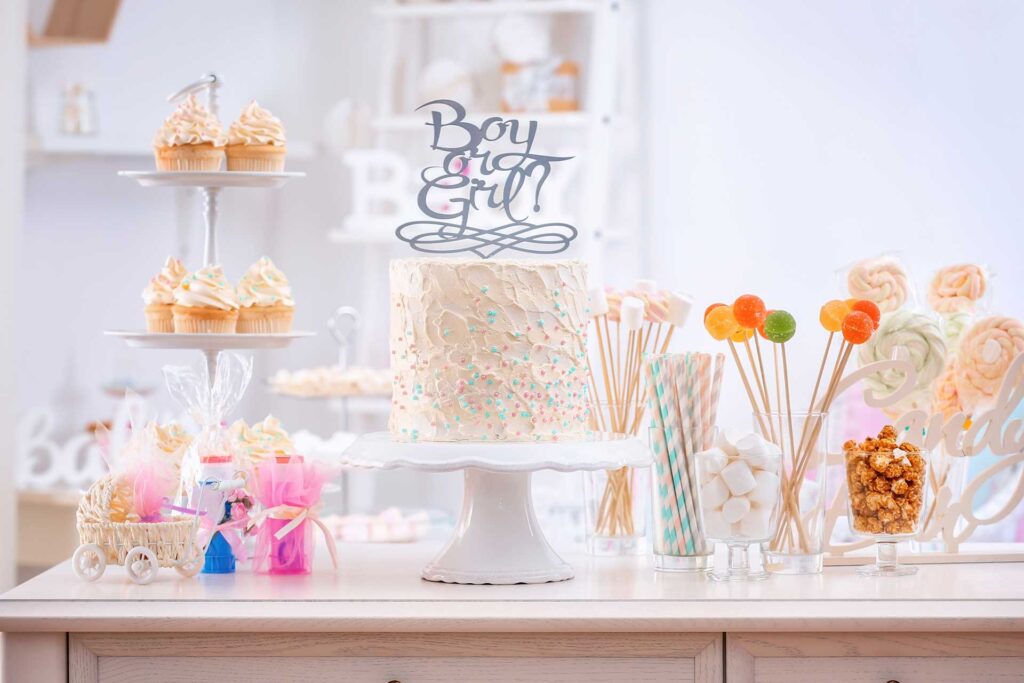
Every memorable dessert table needs a focal point. In most cases, that focal point is the cake.
A beautifully designed custom cake naturally draws attention and gives the entire display a sense of structure. Instead of treating the cake as just another dessert, think of it as the anchor that guides the overall design.
The size of the cake should match the scale of the event. Smaller gatherings may only require a single-tier cake, while larger celebrations often benefit from larger statement cakes that can be seen from across the room.
Design elements such as colors, textures, patterns, and decorations should coordinate with the overall theme of the event. This creates visual harmony and helps the dessert table feel intentional rather than assembled at the last minute.
Many event planners begin their dessert table design process by selecting the cake first and then building everything else around it.
Balance Variety Without Creating Clutter
A common misconception is that more desserts automatically create a better display. In reality, overcrowded dessert tables often look chaotic and make it difficult for guests to decide what to try.
Instead of focusing on quantity, focus on variety.
Include desserts that offer different textures, flavors, and visual appeal. A balanced dessert table might include:
Cakes
The centerpiece cake provides visual impact and serves as the primary dessert option.
Cupcakes
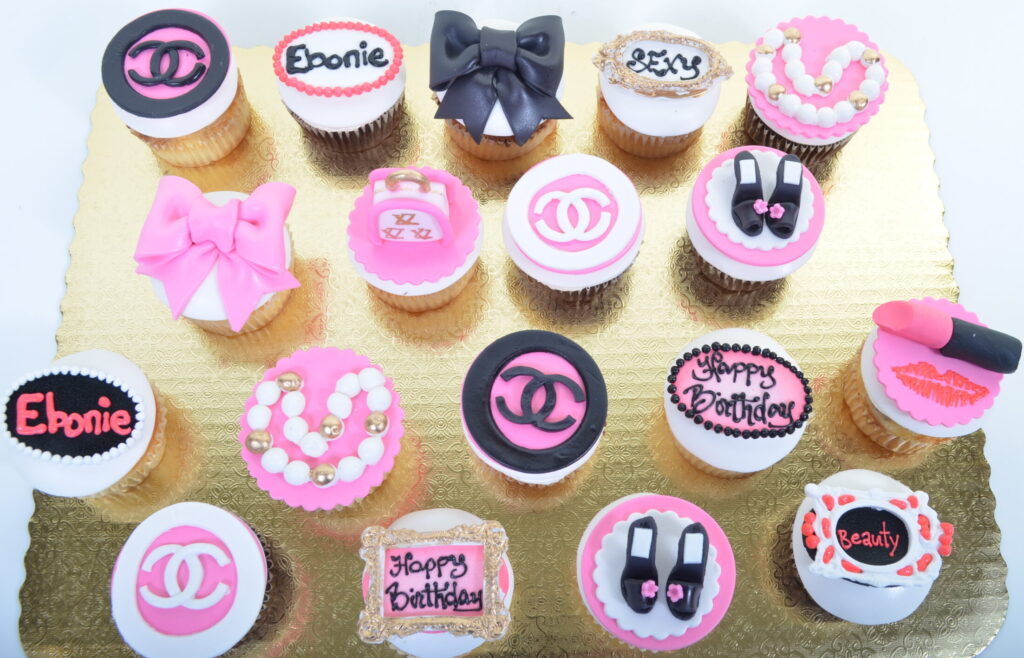
Cupcakes are easy to serve and allow guests to enjoy cake without waiting for formal cake cutting.
Cookies
Decorated cookies add personality and can reinforce the event theme.
Pastries
Pastries bring additional texture and sophistication to the table.
Mini Desserts
Small portions encourage guests to sample multiple treats throughout the event.
The goal is to create enough variety to keep guests interested without overwhelming the display.
Consider Guest Preferences
A memorable dessert table reflects the people attending the event.
Before selecting desserts, think about your guest list. Children, teenagers, adults, and seniors often have different preferences. A family-focused event may benefit from a combination of classic favorites and more creative specialty desserts.
Offering a mix of flavors helps ensure there is something for everyone. Chocolate remains a popular choice, but incorporating vanilla, strawberry, red velvet, lemon, and other flavors can create a more engaging dessert experience.
When possible, consider dietary needs as well. Providing options for guests with specific preferences demonstrates thoughtfulness and helps everyone feel included.
Create Different Heights for Visual Interest
Professional dessert displays rarely place everything at the same level.
Varying heights creates depth and helps guide the eye across the table. Cake stands, risers, decorative boxes, and elevated serving trays can all be used to achieve this effect.
The tallest item should generally be the centerpiece cake. Surrounding desserts can then be arranged at varying heights to create balance.
This simple technique instantly makes a dessert table look more polished and professional.
Use Color Strategically
Color plays a significant role in how guests perceive a dessert table.
Rather than introducing too many colors, focus on a coordinated palette that complements the event theme.
A birthday celebration might feature vibrant colors, while an anniversary party may use softer tones. Consistent color choices help create a cohesive appearance and allow desserts to stand out.
Color can be incorporated through:
- Cake decorations
- Frosting
- Dessert wrappers
- Table linens
- Floral arrangements
- Balloons
- Serving accessories
When colors work together, the entire display feels more sophisticated and visually appealing.
Think Beyond the Desserts
The most memorable dessert tables create an experience rather than simply displaying food.
Decorative elements can dramatically improve presentation. Depending on the event, you may incorporate:
Fresh Flowers
Flowers add elegance and natural beauty.
Personalized Signage
Custom signs can highlight the guest of honor or reinforce the event theme.
Themed Decorations
Small decorative touches help tie the entire display together.
Photo Opportunities
Many guests enjoy taking pictures of beautifully designed dessert tables. Creating a display worthy of social media attention can increase engagement and excitement.
These details often become the elements guests remember long after the event ends.
Plan Portions Carefully
Running out of desserts is one of the quickest ways to disappoint guests. On the other hand, ordering excessive amounts can lead to unnecessary waste.
The ideal quantity depends on several factors:
- Number of guests
- Event duration
- Time of day
- Whether a full meal is being served
- Variety of desserts available
Events that include dinner generally require fewer desserts than dessert-focused celebrations.
Careful planning helps ensure guests can enjoy the selection while minimizing leftovers.
Arrange Desserts for Easy Access
Even the most beautiful dessert table can become frustrating if guests struggle to reach items.
Place frequently selected desserts toward the front. Larger decorative elements should not block access to food.
Guests should be able to move through the dessert table comfortably without creating bottlenecks.
Practical design is just as important as visual appeal.
Timing Matters More Than Most People Realize
Many hosts spend weeks planning desserts but overlook timing.
Certain desserts perform best when displayed shortly before guests arrive. Others may require refrigeration until serving time.
Coordinate delivery and setup schedules carefully to ensure desserts look fresh throughout the event.
Proper timing protects both presentation and quality.
Make the Experience Feel Personal
Personalization is often the difference between a nice dessert table and a memorable one.
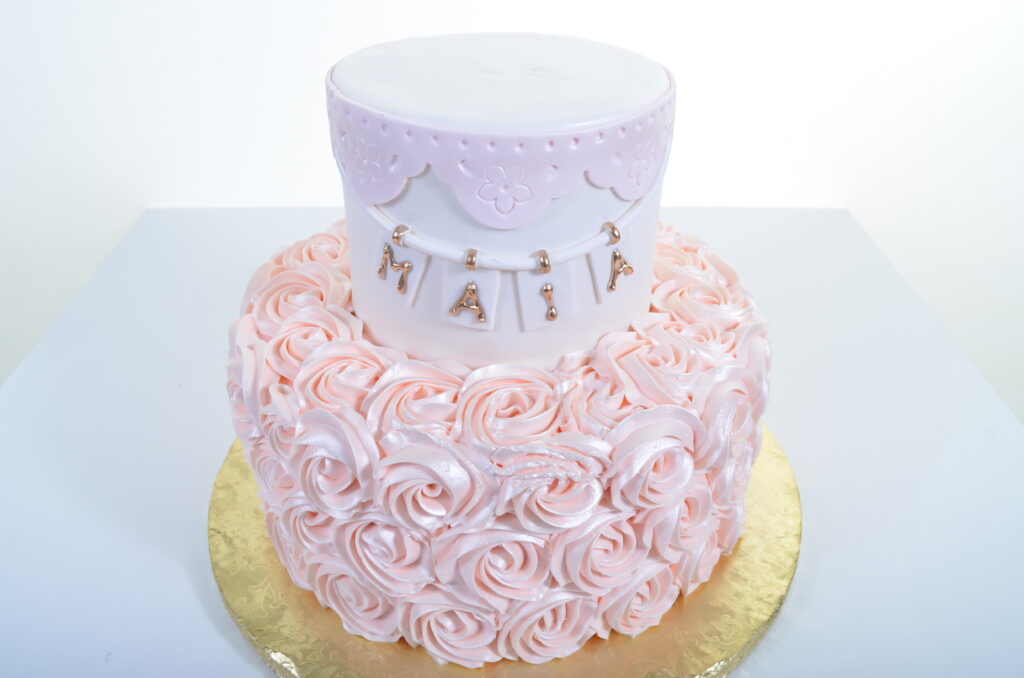
Custom cake designs, personalized cookies, themed decorations, and meaningful details create emotional connections that guests appreciate.
The most successful dessert tables reflect the story being celebrated rather than relying solely on generic decorations.
A graduation dessert table should feel different from a wedding display. A milestone birthday should feel different from a baby shower.
These personal touches help create lasting memories.
Create a Dessert Table That Becomes the Highlight of Your Celebration
A memorable dessert table is not created by filling a table with random sweets. The most successful displays combine a stunning centerpiece cake, complementary desserts, thoughtful presentation, and a design that reflects the occasion being celebrated. When everything works together, guests notice the difference immediately.
For hosts planning birthdays, graduations, baby showers, weddings, holiday gatherings, and special events, the centerpiece cake often sets the tone for the entire dessert table. A professionally designed cake can transform an ordinary display into a focal point that guests gather around, photograph, and remember long after the celebration ends.
At Las Vegas Cake Deals, we specialize in creating custom cakes that help bring dessert tables to life. From elegant wedding cakes and graduation cakes to themed birthday creations and holiday designs, our team works to create cakes that not only look impressive but also complement the overall vision of your event. Whether you are planning an intimate gathering or a large celebration, the right cake can tie every element of your dessert table together.
If you’re looking for custom cakes in Las Vegas that can help make your dessert table stand out, Las Vegas Cake Deals offers a wide range of creative cake options designed to make every celebration a little sweeter and a lot more memorable.
FAQs
What desserts should be included on a dessert table?
A balanced dessert table typically includes a centerpiece cake, cupcakes, cookies, pastries, and bite-sized treats that offer variety in flavor and texture.
How many desserts do I need for a party?
The quantity depends on guest count, event length, and whether a full meal is served. Most events benefit from a mix of dessert options rather than large quantities of a single item.
What is the best centerpiece for a dessert table?
A custom-designed cake usually serves as the focal point and helps establish the overall theme of the display.
How can I make a dessert table look professional?
Use varying heights, coordinated colors, decorative elements, organized spacing, and a visually appealing centerpiece.
Why are themed dessert tables popular?
They create a cohesive experience, enhance event décor, encourage guest interaction, and provide memorable photo opportunities.